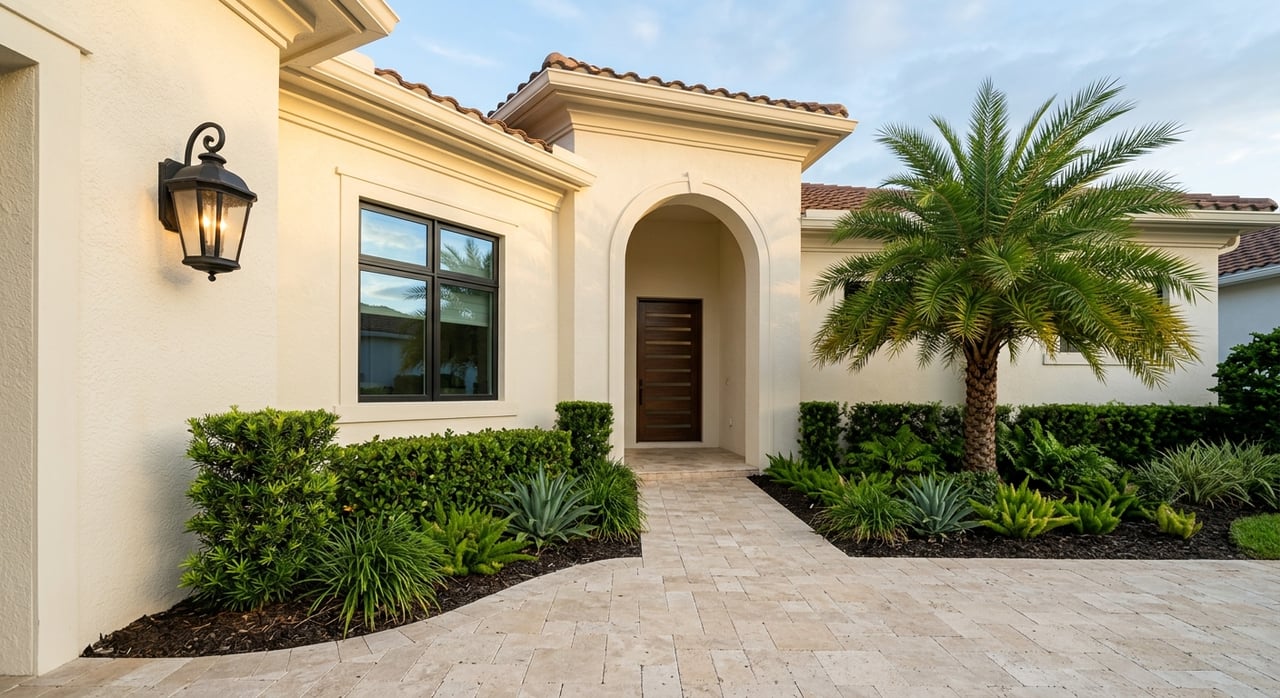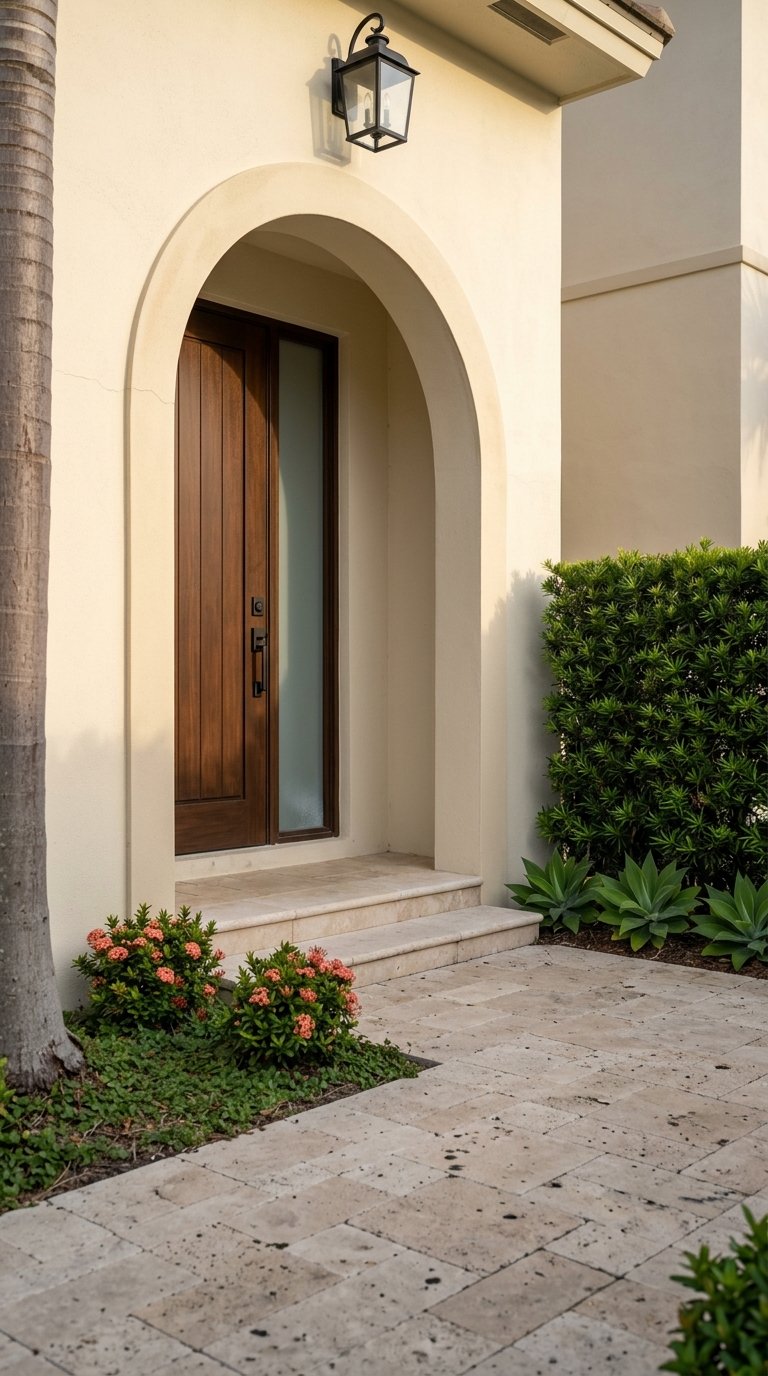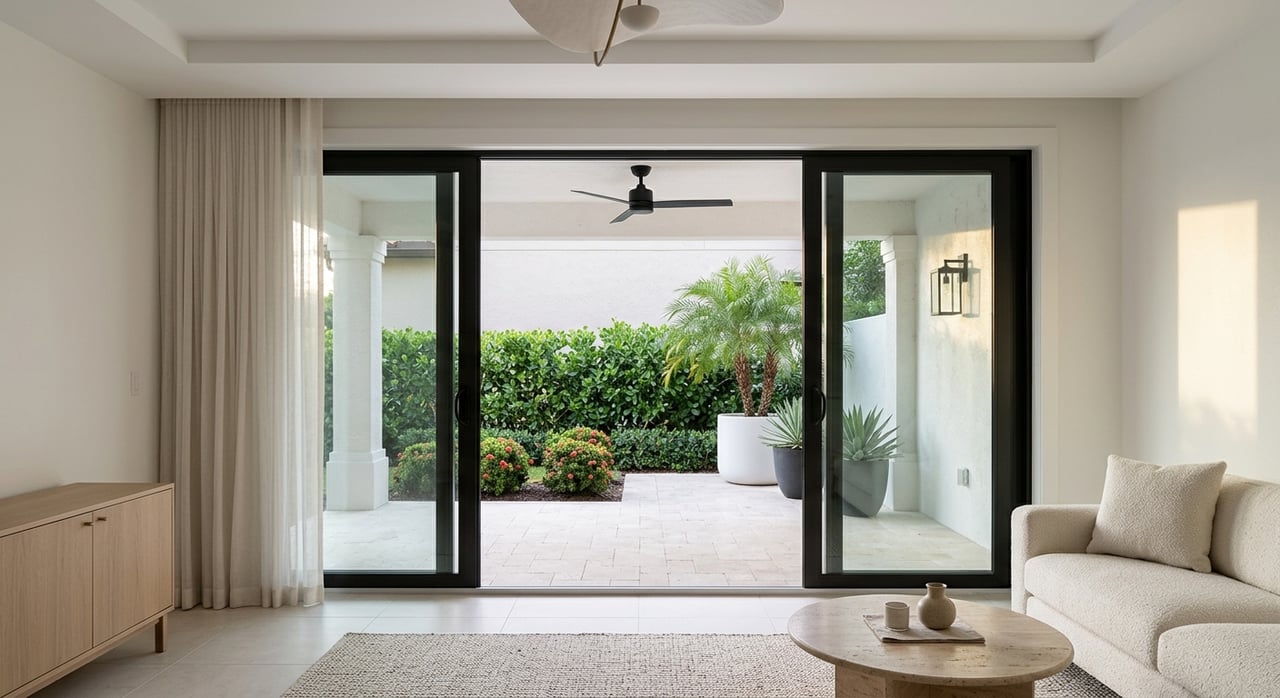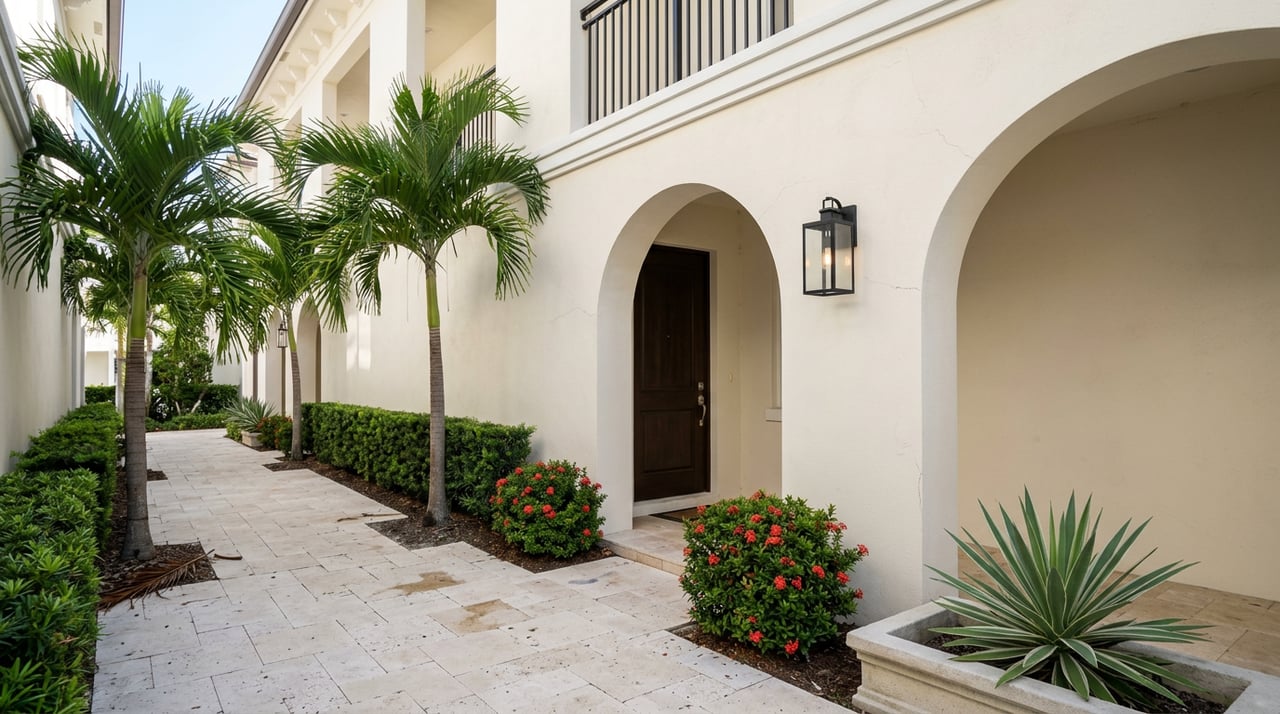
Condo or single-family home — which fits your Naples life and budget best? It is a big choice, and the right answer depends on how you plan to use the property, what monthly costs you are comfortable carrying, and how much control you want over maintenance and rules. If you are weighing beach days, rental potential, HOA fees, and hurricane insurance, you are not alone. In this guide, you will get a clear side-by-side look at costs, lifestyle tradeoffs, and key rules in Collier County so you can move forward with confidence. Let’s dive in.
Naples market context
Prices move by property type
Naples is a multi-tier market where condos and single-family homes perform differently by submarket. According to the January 2026 Naples Area Board of REALTORS report, median prices for many single-family areas sit well above most condo medians, especially in North Naples and gulf-front corridors. Recent examples in that report show East Naples condo medians around the mid-$400s and some South Naples condo slices closer to the high $200s in specific months, while many single-family medians in North Naples and beach-adjacent areas exceed $1 million in numerous periods. That gap explains why condos often serve value-focused and seasonal buyers, while single-family homes command premiums for land, privacy, and prime locations.
Inventory and pace help choosy buyers
Early 2026 brought higher active inventory and longer days on market compared with the pandemic peak. More selection gives you space to compare condos and houses by monthly costs and building quality. Negotiating leverage also changes by price band and even by building, so timing and local insight matter.
Cost comparison: condo vs single-family
Purchase price and HOA fees
Your monthly cost is more than the mortgage. HOA or condo fees can reshape your real number.
- Nationally, HOA and condo dues have been rising, and coastal Florida markets tend to run at or above the national median because of insurance and maintenance needs. See a recent summary of this trend in a Morningstar News report on HOA fees rising nationwide: nearly half of U.S. listings carry HOA fees and dues are climbing.
- In Naples, fees vary widely. Low-amenity communities and some villas may have relatively modest dues, while amenity-rich gulf-front towers can reach the high hundreds to multiple thousands per month. Features like elevators, security, valet, robust landscaping, and large shared amenities drive higher dues. Do not assume a smaller condo equals a smaller fee.
- Typical condo fees often cover common-area maintenance, a master insurance policy for shared elements, reserves, and sometimes utilities like water or cable. What you insure personally depends on the building’s master policy. Consumer guides explain how master policies and unit policies work; see a clear overview in Bankrate’s guide to condo ownership.
Insurance and flood exposure
Florida’s hurricane and flood risk means you should plan for above-average premiums and confirm flood zone status for each address.
- Single-family homes: you carry the full homeowners policy. If the property sits in a Special Flood Hazard Area and you finance, your lender will require flood insurance.
- Condos: the association carries a master policy for common elements and sometimes parts of the structure. You will typically buy an HO‑6 (walls-in) policy for interiors, contents, and loss of use. Confirm whether the master policy is bare-walls or all-in and ask about deductibles that may be allocated to owners after a claim.
- Check the flood zone for any address using the FEMA Flood Map Service Center.
- Transparency has increased for Florida condos. Buildings of certain age and height must complete milestone structural inspections and maintain structural reserve funding. These reports can surface work that leads to special assessments. Review the statute for milestone inspections in Florida Statute 553.899 and search for inspection records or association filings on the state’s DBPR condo inspections and resources page.
Property taxes and homestead
Property taxes are set and collected in Collier County and vary by taxing district. If you will make the home your primary residence, Florida’s homestead exemption can reduce your taxable value. Always estimate taxes for the specific property through the Collier County Property Appraiser, since assessments reset with new ownership and location matters.
Maintenance and capital risk
- Single-family: you control your property and pay for all exterior upkeep, roofing, yard work, pool care, and structural repairs. Costs can be predictable in newer homes but rise with age, lot size, and weather exposure.
- Condo: you handle interior maintenance, while the association manages common areas and exterior systems. Daily chores are lighter, which many seasonal owners value. The tradeoff is capital risk lives at the association level; poor reserves or deferred work can lead to special assessments. Florida’s milestone and reserve rules help reveal upcoming needs, so review those documents closely before you buy.
Rules and rentals you must know
Short-term rentals in Collier County
If rental income is part of your plan, confirm permission at three levels: local government, the association, and your lender or insurer.
- In unincorporated Collier County, short-term vacation rentals require registration under Ordinance 2021‑45. That process includes a certificate, display of a registration number in advertising, and a local responsible party. See the county’s official short-term vacation rental registration guide and application.
- Inside the City of Naples or Marco Island, different municipal rules may apply, so verify location-specific requirements.
- Even if local law allows rentals, your condo or HOA documents may prohibit short stays or set minimum lease terms, such as 30, 90, or 120 days. Florida law also limits how some new rental bans apply to existing owners; changes often bind new buyers after the effective date. For a lay explanation of these nuances, see this overview on how Florida condo rental restrictions are applied.
Must-have condo documents
Before you finalize a condo contract, ask for and review:
- Declaration, amendments, bylaws, and rules, with a focus on leasing and occupancy.
- Current budget, recent financials, bank statements, and any approved or proposed assessments.
- Structural Integrity Reserve Study and milestone inspection reports if the building is subject to Florida’s rules. You can also search the state’s DBPR condo inspections and resources page.
- Master insurance certificate, including deductibles and owner responsibilities. For context on master vs unit policies, see Bankrate’s condo insurance overview.
- Board meeting minutes for the past 12 to 24 months, plus any litigation disclosures and key vendor contracts.
These records show whether reserves are healthy, what capital work is coming, and how rules and enforcement affect daily living.
Lifestyle fit: which suits you?
Lock-and-leave living
If you want seasonal or part-time use with easy upkeep, a condo in a well-managed, amenity community can be a great match. Professional management, security, and shared maintenance reduce day-to-day tasks. Balance that convenience with the cost of monthly dues and any rental limits if you plan to lease when you are away.
Full-time living and privacy
If you value a private yard, more storage, and control over exterior choices, a single-family home likely fits better. Many buyers accept the higher upfront price and ongoing upkeep for that independence and space.
Investor focus
If revenue is a priority, your checklist should include rental rules, Collier County registration, insurance and occupancy limitations, and whether the condo is warrantable for conventional loans. Non-warrantable buildings can narrow the buyer pool and affect your exit strategy.
Luxury gulf-front lifestyle
At the high end, many buyers accept very high tower dues for concierge services, security, and club-level amenities. In single-family luxury corridors, the premium goes to land, privacy, and direct gulf access. The right choice depends on whether you prefer full-service living or a private estate.
Budget ranges in Naples
- Under about $350,000: most options will be condos or townhomes, often older or off the beach. You may find smaller footprints and fewer amenities in this price band.
- $350,000 to $700,000: this opens the door to newer condos in North Naples submarkets and some smaller single-family homes in east or inland corridors.
- $700,000 to $2 million: a broad mix across single-family homes, golf communities, and higher-end condos in many parts of Naples. Amenities and HOAs vary widely.
- $2 million and up: prime gulf-front single-family homes and luxury towers, where either estate upkeep or high monthly tower dues will be part of ownership.
Your decision checklist
Use this quick checklist to compare specific properties side by side.
Financial checks
- Pull recent median prices for your submarket to set expectations by property type.
- Build a monthly estimate that includes mortgage, HOA or condo fees, a condo master policy exposure if applicable, your HO‑6 or homeowners policy, property taxes, utilities, and a monthly maintenance reserve.
- Request the association budget, bank statements, reserve study, and any notices of approved or proposed assessments.
Use and rules checks
- Confirm recorded rental rules, occupancy limits, and guest policies in the declaration and bylaws.
- If you plan to rent short term, verify that the association allows it and complete the county’s short-term rental registration if the property is in unincorporated Collier.
- If rental income matters, ask for building-level rental history, vacancy trends, and any platform or season restrictions.
Physical and safety checks
- Look up the property’s flood zone on the FEMA Flood Map Service Center and ask your lender about flood insurance triggers.
- For condos that are 3 or more stories or approaching milestone age, obtain the latest milestone inspection and Structural Integrity Reserve Study, plus any remediation plans and timelines. Review Florida Statute 553.899 for context and search the DBPR condo inspections and resources page.
Practical living checks
- Evaluate parking, pet rules, noise policies, and guest access. Read recent meeting minutes to spot recurring issues.
- Confirm whether the association uses a professional manager or a volunteer board. Management style affects responsiveness and vendor pricing.
Financing and resale
- Ask your lender whether the condo is warrantable. High investor concentration, litigation, or low reserves can limit loan options and affect resale.
- Consider how the fee level, building health, and rental flexibility will shape your future buyer pool.
Work with a local guide
Choosing between a condo and a single-family home in Naples is not one-size-fits-all. When you compare real numbers side by side and read the right documents, the best option becomes clear. If you want a calm, data-informed process tailored to how you live and what you value, connect with Lindsay Riggenbach for a friendly, no-pressure consultation. We will help you shortlist properties, build apples-to-apples cost comparisons, and review association documents so you can buy with confidence.
FAQs
What do condo fees in Naples usually cover?
- Most cover common-area upkeep, a master insurance policy for shared elements, reserves, landscaping, management, and amenities. Some include utilities like water or cable. Always confirm coverage in the budget and master insurance certificate.
How do Florida condo inspections and reserves affect me as a buyer?
- Florida requires milestone structural inspections and structural reserve funding for certain condos. These reports reveal upcoming work and can lead to assessments. Review the latest studies and the milestone inspection statute before you commit.
Do I need flood insurance for a Naples home or condo?
- If the property is in a Special Flood Hazard Area and you finance, flood insurance is typically required. Check your address on the FEMA Flood Map Service Center and ask your lender and insurer for quotes.
Can I rent my Naples condo on a short-term basis?
- It depends on both local law and your association. Unincorporated Collier County requires short-term rental registration, and many associations set minimum lease lengths. Always verify rules in the declaration and bylaws.
How do property taxes differ between a condo and a house in Collier County?
- Taxes are property specific and depend on assessed value and location. Use the Collier County Property Appraiser to estimate taxes for each address and consider the Florida homestead exemption if it will be your primary residence.
Which has better resale in Naples: a condo or a single-family home?
- Resale depends on submarket, price band, fees, building health, and rental flexibility. Single-family homes often command a premium for land and privacy, while well-managed condos with sound reserves perform well. Compare local medians and association health for the clearest answer in your target area.