Wondering if a canal-front home in Cape Coral is the dream move you picture, or a property type that needs a closer look? You are not alone. Waterfront homes here can offer boating access, views, and a true Southwest Florida lifestyle, but they also come with extra layers that matter long after closing. If you are thinking about buying canal front property in Cape Coral, this guide will help you understand what to check, what to budget for, and what questions to ask before you make an offer. Let’s dive in.
Why Cape Coral Canal Homes Stand Out
Cape Coral’s canal system is one of the city’s defining features. The city says there are more than 400 miles of canals, including roughly 150 linear miles of saltwater canals and more than 250 linear miles of freshwater canals.
That scale is a big reason so many buyers focus on waterfront homes here. At the same time, not every canal-front property offers the same experience. The canal type can affect boating, shoreline features, maintenance needs, and even how you think about long-term ownership costs.
Know Your Canal Type First
Before you fall in love with the view, confirm whether the home sits on a freshwater canal, a saltwater canal, or a route with direct boating access. In Cape Coral, that distinction is not just marketing language. It shapes how you use the property and what ownership may involve.
The city explains that freshwater canals store stormwater through weirs and pumping stations before water is transferred to tidal canals. Saltwater canal areas drain directly to the tide. For you as a buyer, that means canal type affects both lifestyle and property conditions.
Freshwater Canal Homes
Freshwater canal homes can still offer attractive water views and a waterfront setting, but they do not function the same as saltwater boating properties. If your goal is to keep a boat behind the house and head toward open water, a freshwater home may not match that plan.
Freshwater frontage can also have different shoreline expectations. The city notes that seawalls are not required for properties on freshwater canals, and alternatives such as rip rap and littoral plantings may be used instead.
Saltwater Canal Homes
Saltwater canal homes are often what buyers picture when they think of Cape Coral boating lifestyle. These properties may connect to routes leading toward Matlacha Pass or the Caloosahatchee River, depending on location.
Still, you should never assume all saltwater homes offer the same access. The practical value of the property depends on the actual route, possible bridge limitations, and whether your boat size fits that route.
Direct Access Matters
If boating is a top priority, ask for the exact route from the dock to open water. City boating resources show that launch and access points vary by area, which means one canal-front home may offer a very different boating experience than another.
This is one of the biggest buying mistakes to avoid. Two homes can both be called waterfront, but one may be much better suited to the way you plan to use the property.
Check the Route, Not Just the View
A canal-front backyard can be beautiful, but access is where lifestyle and resale value often separate. When you tour a home, ask more than whether it is on water.
Instead, focus on practical use:
- Is the canal freshwater or saltwater?
- What is the exact route to open water?
- Are there any bridge or clearance limitations?
- Would the route work for the boat you plan to own or use?
If you are buying a second home or investment property, this step matters even more. Future buyers may value the route differently depending on their boating goals.
Evaluate the Seawall and Shoreline
On a canal-front property, the shoreline is not a minor detail. It is one of the most important physical features to inspect.
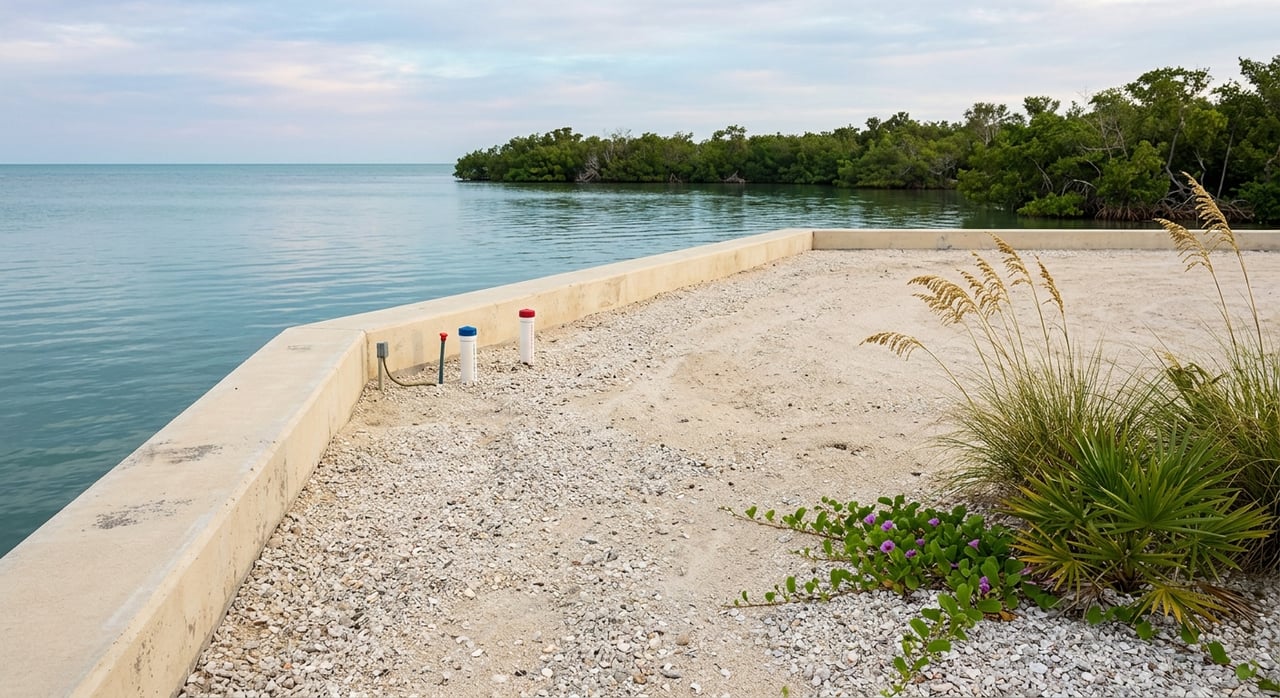
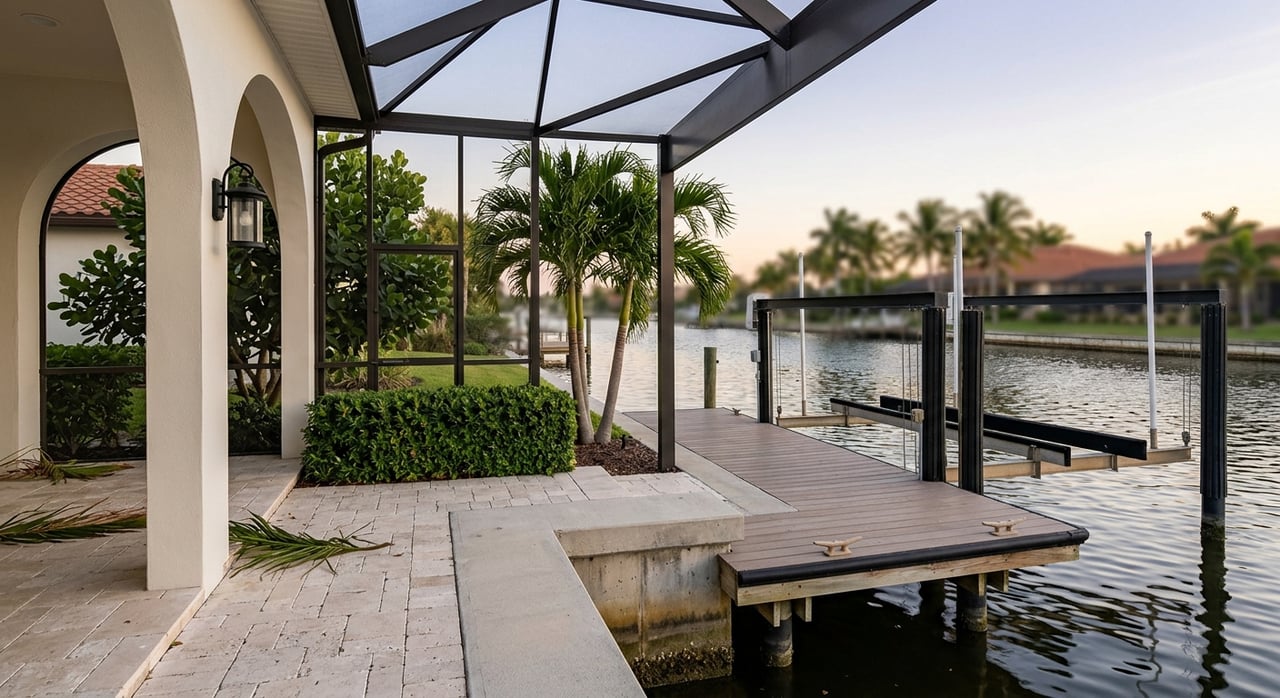
Cape Coral’s waterfront guide notes that shoreline features can include seawalls, rip rap, mangroves, docks, and boat lifts. On saltwater or tidal frontage, these features help shape both function and maintenance.
Questions to Ask About the Seawall
If the property has a seawall, ask direct questions during the showing or due diligence period. A seawall is a major improvement, and its age and condition can affect your future costs.
Use this checklist:
- How old is the seawall?
- Has it been repaired or replaced?
- Was the work done under permit?
- Is there a recent engineer letter?
- Are there visible signs of movement, cracking, or settlement?
These questions align with the city’s permit and inspection process for marine improvements. They can also help you avoid surprises after closing.
Shoreline Features Beyond Seawalls
Not every property will have a traditional seawall. In some cases, you may see rip rap, shoreline plantings, or mangroves. The city says mangroves help stabilize saltwater shorelines, and rip rap helps absorb wave energy.
If mangroves are present, keep in mind that trimming and alteration are governed by state law and may require a permit or professional trimmer. That is important if you are already imagining changes to the shoreline after purchase.
Freshwater Lots May Look Different
If you are buying on a freshwater canal, the shoreline setup may be less built out. Because seawalls are not required on freshwater canals, you may need to understand what stabilization is already in place and whether it fits your future plans.
You should also note the city’s 10-foot buffer above the waterline, which helps protect waterways and is subject to fertilizer restrictions. That buffer can affect how you maintain landscaping near the canal edge.
Inspect the Dock, Lift, and Utilities
For many buyers, the dock is just as important as the house itself. A beautiful home with an outdated dock, lift, or electrical setup may not deliver the waterfront convenience you expect.
Cape Coral has separate permit paths for seawalls, dock work, floating docks, new wood docks, new concrete docks, boat lifts, and seawall alternatives. That tells you something important: these are meaningful structures that deserve careful review.
Ask These Dock Questions
During your tour or inspection period, ask:
- How old are the dock and lift?
- Was the work permitted?
- Is there electric service at the dock?
- Is there water service at the dock?
- Are lift specifications available?
- Have any repairs or upgrades been completed?
If the seller cannot clearly document prior work, that does not always mean there is a problem, but it does mean you should investigate further.
Budget for Insurance and Storm Risk
Waterfront buying in Cape Coral is not just about the purchase price. You also need to understand the cost of insuring the property and the risks tied to flood and storms.
Standard homeowners insurance generally does not include flood coverage. Florida’s Chief Financial Officer says flood insurance is usually separate and is commonly written through the National Flood Insurance Program or private flood markets.
Flood Zone Is a Core Buying Factor
In Cape Coral and Lee County, flood zone matters a lot. The city says A, AE, and VE are high-risk zones where federally backed mortgages require flood insurance. Lee County also notes that Special Flood Hazard Areas are where mandatory purchase rules apply and where flood rates are set.
Before you write an offer, check the property’s flood zone using the city or county address-based tools. You can also search or request elevation certificates from city records.
Hurricane Deductibles Matter Too
Many buyers focus only on the annual premium, but that is not the full picture. In Florida, homeowners policies also involve hurricane deductible options of $500, 2 percent, 5 percent, or 10 percent of dwelling or structure limits.
That means your true storm-related cost exposure may be much higher than the annual insurance bill suggests. For waterfront property, that number should be part of your buying math from the start.
Evacuation Zone Affects Ownership Planning
Lee County uses evacuation zones A through E for storm surge and wind planning. Cape Coral directs residents to these evacuation resources and notes that people in evacuation zones, flood-prone areas, mobile homes, or medically vulnerable households should plan to leave during certain emergencies.
If you are buying a primary home, second home, or seasonal property, evacuation zone is a practical ownership detail. It can affect preparation, occupancy planning, and how you think about storm season.
Understand Local Rules for Boats and Trailers
If you want canal frontage because you own a boat, confirm that your storage plans fit local code. Cape Coral says boats and boat trailers must be kept in the rear yard behind the last structural wall, not in the front or side yard.
The city also allows a temporary loading and cleaning permit for up to 72 hours, with a 48-hour gap between permits. In addition, current Florida registration is required for boats and trailers, even when they are moored at docks, seawalls, lifts, or davits.
These rules may seem small at first, but they can affect how convenient the property feels once you move in.
Buying Vacant Waterfront Land Takes Extra Planning
If you are considering a canal-front lot instead of an existing home, treat shoreline costs as part of the purchase decision. In Cape Coral, future seawall, dock, lift, and approval costs are not small extras.
Because the city has defined permit paths and requirements for these improvements, those future costs can materially change the economics of the lot. This is especially important for investors, builders, and buyers comparing a vacant parcel to a resale waterfront home.
Use City Records Before You Commit
One of the smartest steps you can take is researching the property before you finalize an offer. Cape Coral says its GIS search can show parcel size, strap number, zoning, land use, property values, assessment payoff information, and permit information.
The city clerk also notes that elevation certificates and other documents may be available through city records. For a canal-front purchase, these records can help you confirm what exists, what was permitted, and what questions still need answers.
A Simple Waterfront Tour Checklist
When you are comparing homes, use a checklist that keeps the decision practical:
- Confirm canal type: freshwater, saltwater, or direct access
- Verify the route to open water
- Ask about bridge or clearance limitations
- Review seawall age, repairs, and permit history
- Check dock, lift, electric, and water service
- Identify mangroves, rip rap, or shoreline plantings
- Confirm flood zone and evacuation zone
- Ask about boat and trailer storage rules
- Review GIS data, permit history, and available elevation records
This kind of side-by-side comparison makes it easier to separate a pretty waterfront lot from a property that truly fits your goals.
Is Canal Front Right for You?
Cape Coral canal homes can be an excellent fit if you want waterfront living, boating access, or a strong lifestyle connection to the water. They can also be a smart option for buyers who understand the added layers of shoreline condition, permits, insurance, and storm planning.
The key is buying with clear eyes. When you know the canal type, verify the route, review the seawall and dock, and price in insurance and maintenance realities, you can make a far more confident decision.
If you want local guidance as you compare freshwater, saltwater, direct-access, or off-water options in Cape Coral, Lindsay Riggenbach LLC can help you sort through the details and find the right fit for your goals.
FAQs
What should you check before buying canal front property in Cape Coral?
- Start with the canal type, route to open water, bridge limitations, seawall age, dock and lift condition, flood zone, evacuation zone, and available permit or elevation records.
What is the difference between freshwater and saltwater canals in Cape Coral?
- Freshwater and saltwater canals function differently. Freshwater canals are part of the city’s stormwater system, while saltwater canals drain directly to the tide and may offer boating routes depending on location.
Do Cape Coral canal-front homes always have direct Gulf access?
- No. Access varies by location and route, so you should verify the exact path to open water rather than assume every waterfront home offers the same boating value.
Are seawalls required on canal-front property in Cape Coral?
- Not always. The city says seawalls are not required for properties on freshwater canals, and some lots may use alternatives such as rip rap or littoral plantings.
Why does flood zone matter when buying a waterfront home in Cape Coral?
- Flood zone affects insurance requirements and cost. The city says A, AE, and VE are high-risk zones where federally backed mortgages require flood insurance.
Can you store a boat trailer at a canal-front home in Cape Coral?
- Cape Coral says boats and boat trailers must be stored in the rear yard behind the last structural wall, not in the front or side yard, subject to city code requirements.
Where can you find property records for a Cape Coral waterfront home?
- The city says its GIS and property tools can show parcel and permit information, and city records may also provide elevation certificates and related documents.