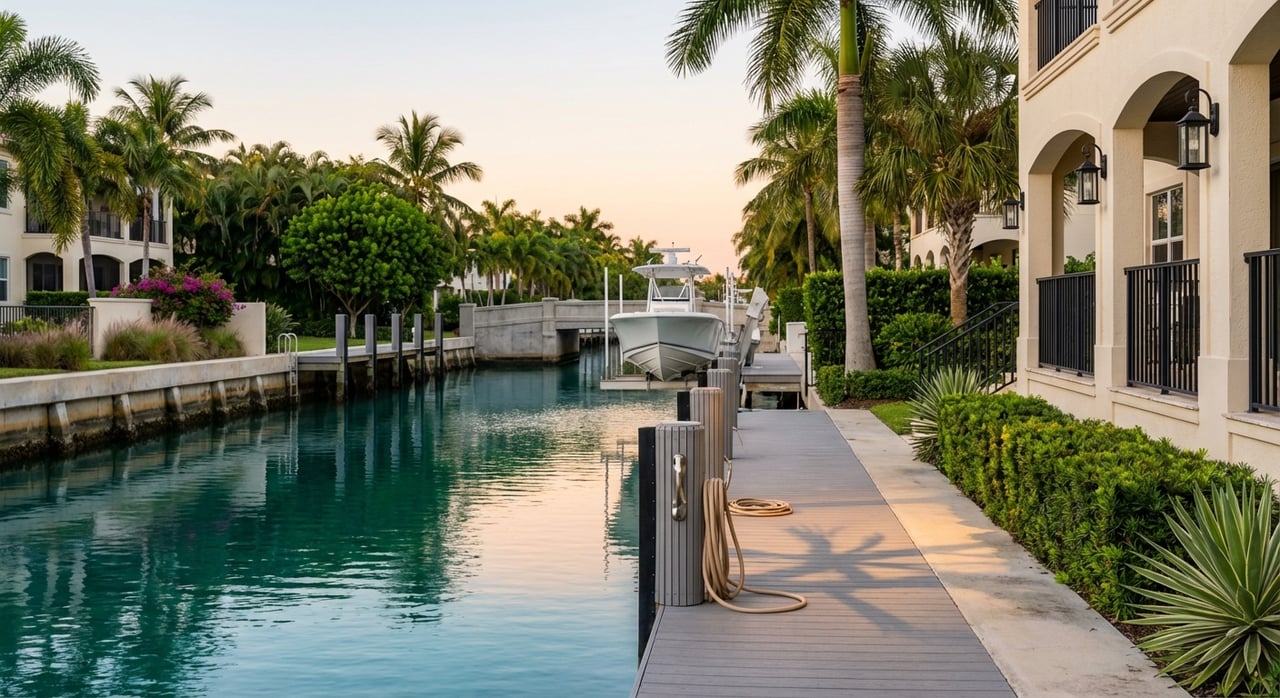
Picture this: coffee in hand, you step onto your dock as the sun rises over calm water, and a manatee ripples by. That is a normal morning on Cape Coral’s canals. If you are weighing a move to the water, you likely want the real story on daily routines, boat access, maintenance, and costs. This guide gives you a clear, local view so you can decide with confidence. Let’s dive in.
Canal living at a glance
Cape Coral is known for its water. Locals often cite roughly 409 miles of canals, with a mix of saltwater and freshwater corridors that define each neighborhood’s feel and use. That scope shapes daily life, from your morning paddle to the route your boat takes out to the river. You will notice the pace is relaxed, but the details matter. Local reporting on the canal system’s size and split helps you frame what to expect.
Many saltwater canals offer direct Gulf access through the Caloosahatchee River and Matlacha Pass. From these routes, you can often reach nearshore islands and fishing spots in under an hour, depending on your starting point and boat speed. That easy access is a major draw for boaters who want spontaneous trips to the water. Learn more about how Cape Coral’s canals connect to the Gulf and nearby islands.
Getting around by water
Bridge clearances
Your route matters as much as your dock. The main river bridges to Fort Myers, including the Cape Coral Bridge and Midpoint Memorial Bridge, have about 55 feet of vertical clearance at the center, which works for many powerboats and some sailboats. You will also find smaller interior bridges with much lower clearances, which can limit tall masts and T-tops. Check the Cape Coral Bridge clearance details and verify every span along your exact path.
Tides and timing
Saltwater canals are tidally influenced, with a modest tidal swing in this part of the estuary. Water level can still shift with wind and weather, and that matters for shallow draft boats. Before each run, match your boat’s air draft and draft to expected levels and plan timing using local tide and water level tables.
Depths and dredging
Canal depths vary by location and season. The city performs maintenance and targeted dredging, and it has taken on projects like removing the Chiquita boat lock, with ongoing updates and related work to improve flow. Shoaling can occur near the backs of canals between dredging cycles, so local knowledge and current soundings help you avoid surprises. See the city’s updates on Chiquita boat lock work and canal projects.
Saltwater vs. freshwater canals
What changes day to day
Saltwater and brackish canals connect to the Gulf and feel more dynamic. You will plan around tides, clean hulls more often, and flush engines after saltwater trips. Freshwater canal systems are calmer and popular for kayaks, pontoons, and small fishing boats. The difference affects your daily routine, maintenance, and resale appeal. To understand the mix across the city, skim this overview of Cape Coral’s canal network and types.
Your dock and seawall
Ownership and insurance basics
In most cases, you are responsible for the seawall, dock, and lift at your property. Standard flood policies through the NFIP usually do not cover docks or seawalls, so owners often need separate endorsements or specialty coverage for those structures. It is smart to confirm coverage gaps early with your insurer. For a quick primer, review how flood insurance treats docks and similar structures.
What to inspect before you buy
Look closely at the seawall and dock. Ask about the permit history, age, and any recent engineer or marine-structural inspections. Common red flags include leaning or bulging panels, cracks in the cap, separation at joints, voids or soil loss behind the wall, and rusted tiebacks. If you have any doubt, hire a marine contractor or engineer to scope the condition before you finalize terms.
Permits and approvals
Marine work often needs multiple approvals. Typical activities like dock replacement, new lifts, and seawall repairs can require permits from the city, the Florida Department of Environmental Protection, and sometimes the U.S. Army Corps of Engineers. Larger or habitat-impacting projects need more review. Build in time for permitting and ask your contractor to outline the exact steps and agencies for your scope.
Budget ranges to plan for
Seawall costs vary by materials, soil conditions, access, and length. Industry guides often show ranges from hundreds to more than a thousand dollars per linear foot for replacement in coastal settings. Full projects for a typical single-lot width can land in the tens of thousands to well over $100,000. Use these as ballpark figures and get local bids. See a breakdown of seawall replacement cost drivers and ranges.
Docks and lifts also add up. Replacing pilings, decking, and a standard lift is often a mid five-figure project, especially if you upgrade electrical and lighting. In saltwater, expect recurring maintenance to manage corrosion and growth. Plan for seasonal checks and set aside annual funds for upkeep.
Daily rhythms and favorite hubs
Everyday routines
On a typical week, you might launch for a quick sunrise run, paddle the interior canals, or take a casual evening cruise. After saltwater trips, you rinse and flush engines, clear lines, and check lift cables and hardware. You will learn your speed zones and wave etiquette, and you will get to know neighbors by water as often as by street. Waterfront sunsets, wildlife watching, and a quiet coffee on the lanai are part of the rhythm.
Marinas and amenities
Cape Harbour and Tarpon Point serve as lively hubs with slips, food, and services. The Yacht Club corridor has long anchored community life and continues to evolve through rebuild efforts. These centers make it easy to fuel up, meet friends, and enjoy a waterfront dinner without a long drive. They also support everyday needs like pump-outs, minor repairs, and supplies.
Environmental and safety notes
Water quality and red tide
Southwest Florida experiences periodic algal blooms, including freshwater cyanobacteria and Gulf red tide. During active events, you may see fish kills, odors, or some irritation onshore, and you might adjust your beach or fishing plans. Local groups and state agencies monitor conditions and share advisories. For background on regional blooms, see this overview of recent red tide activity.
The City of Cape Coral tests mitigation tools and manages canal health through projects like aeration and localized “bubble curtains” that slow algal movement in narrow channels. Residents may notice these efforts during active projects. Read about the city’s bubble curtain contractor approvals and project goals.
Hurricanes and preparedness
Canal living comes with coastal weather risk. You plan for wind events and storm surge and think through evacuation routes, generator needs, and post-storm checklists well before hurricane season. Newer construction features, impact glass, and resilient dock design can help reduce exposure and improve insurability. If you are financing, your lender may also require flood insurance depending on the flood zone.
Wildlife and speed zones
Manatees, turtles, and seagrass are part of everyday life here, and they shape boating rules. Expect marked speed zones, idle-only stretches, and manatee protection areas in certain canals. Following no-wake rules protects wildlife and reduces wear on your neighbors’ seawalls. You can browse Florida’s wildlife and boating statutes for context.
Pros and cons to weigh
Pros
- Direct water access for boating and island trips.
- Strong boating culture, wildlife viewing, and daily water views.
- Multiple marina hubs for dining, fuel, and services.
Cons
- Ongoing maintenance for seawalls, docks, and lifts.
- Weather and storm-surge risk during hurricane season.
- Occasional water-quality events that can affect recreation.
- Insurance and permitting can be complex on the water.
Buyer checklist for canal homes
Use this quick list to assess any canal-front property before you make an offer:
- Canal type: Is it saltwater/brackish with Gulf access, or a freshwater canal system? Review a high-level overview of Cape Coral’s canal mix.
- Route to open water: Map the path from your dock to the river or Matlacha Pass and list every bridge with its clearance at mean high water. Use local tide tables to check timing.
- Depths and dredging: Ask the seller when the canal was last dredged, current centerline depths, and any known shoaling near the property. Confirm if the city has recent or upcoming work near your location, such as projects tied to the Chiquita boat lock area.
- Seawall and dock history: Request permits, invoices, and any recent engineer or marine-structural reports.
- Insurance: Confirm flood zone and likely premiums. Note that many flood policies exclude docks and seawalls; see this guide to coverage gaps.
- Water quality: Ask about recent red tide or algae episodes nearby and any neighborhood or city mitigation steps. Read a recent regional update.
- Use rights and fees: Verify the dock and lift are deeded, and ask about HOA rules, shared agreements, or marina slip waitlists.
Ready to explore canal life in person? As SWFL natives with deep neighborhood knowledge, we will help you match your boat, budget, and lifestyle to the right waterway. Reach out to Lindsay Riggenbach to start your search.
FAQs
What makes Cape Coral’s canals unique?
- The city’s network spans hundreds of miles with both saltwater and freshwater canals, offering a broad mix of boating access and lifestyle options backed by local reporting on scale and types.
Can I reach Gulf waters quickly from a canal home?
- If your canal has Gulf access, many routes reach the river and nearshore islands in under an hour, depending on boat speed and conditions, as outlined in this overview of Cape Coral boating access.
Will my boat clear the bridges near my home?
- Main river bridges offer about 55 feet of clearance at center, but many interior spans are much lower, so always map your exact route and check bridge and tide details for timing.
Do flood policies cover docks and seawalls?
- Standard flood insurance typically excludes docks and seawalls, so owners often need additional or specialty coverage; review this guide to flood insurance exclusions.
How much does a seawall cost to replace?
- Costs vary widely by site and materials, but industry guides often cite hundreds to more than a thousand dollars per linear foot, with full projects ranging from tens of thousands to over $100,000; see typical seawall cost ranges.