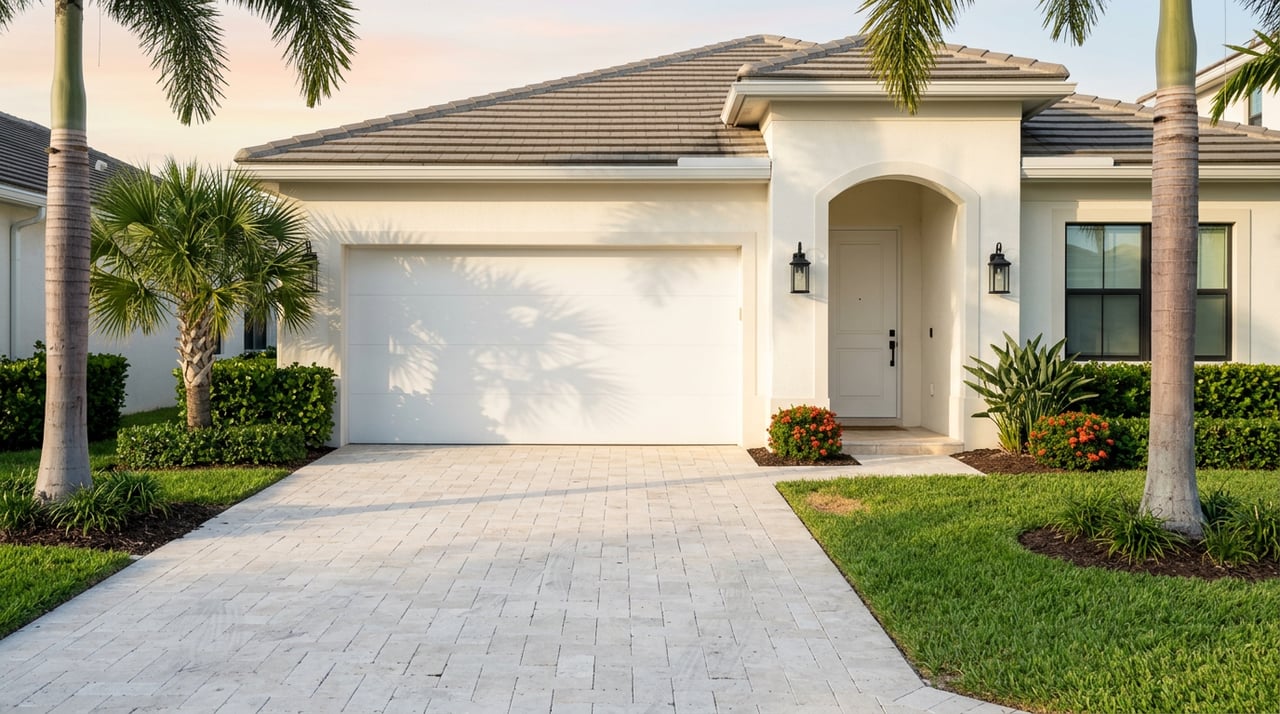
Thinking about listing your Cape Coral home this winter? Peak season brings more showings and stronger offers, but only if your home and paperwork are ready. With a clear plan, you can time your listing for maximum traffic and avoid last‑minute surprises. In this guide, you’ll get a simple 6–12 month timeline, Florida‑specific inspection and insurance steps, and staging tips that sell the SWFL lifestyle. Let’s dive in.
Understand Cape Coral’s peak season
Cape Coral follows a snowbird cycle. Visitor traffic surges in winter and early spring, with the busiest buyer activity typically in January through March. Local demand is strong from roughly November through April, so being live during that window helps your listing stand out to seasonal and out‑of‑state buyers. You can read more about the seasonal pattern on the city’s tourism resource for snowbirds at Come to Cape Coral.
If you want maximum exposure, aim for your first two weeks on market to land inside January to March. If you prefer less competition and a focused buyer mix, late fall or early January can work well. Seasonal timing can affect pace and pricing strategy across Florida, as noted by Florida Realtors.
Build your plan backward from list day
Start with your desired list month inside November to April, then work backward through the steps below. Tackle long‑lead items first, then cosmetic work and media closer to launch.
6–12 months out: Scope, quotes, permits
- Order assessments and quotes for big items: roof, HVAC, major electrical or plumbing, and dock or seawall work if applicable. The City’s permit process can add time, so plan early with the Permit Document Center.
- If your roof is near insurer trigger ages, schedule an inspection and gather documentation. Florida rules allow an inspection path for roofs 15 years or older to show remaining useful life. See state guidance from the Florida CFO.
- If your property is near canals or in a flood zone, check for an existing elevation certificate or request one. Buyers and lenders will often ask. The City’s flood resources explain what to provide: Cape Coral Flood Protection.
- Review HOA rules and verify any current short‑term rental requirements if you plan to market to investors. Rules can change, so confirm details with the City or your association.
3–6 months out: Repairs and inspections
- Complete permitted work and keep receipts, warranties, and final inspection sign‑offs for your listing packet. Use the City’s permit checklists to confirm close‑out steps via the Permit Document Center.
- Order a wind mitigation inspection to document features that can reduce insurance premiums. The Florida Office of Insurance Regulation highlights how these reports can benefit consumers, especially before hurricane season. Learn more from OIR’s wind mitigation resource.
- If your home is older, consider a 4‑point inspection covering roof, electrical, plumbing, and HVAC. Many insurers request it when binding coverage on older homes. Having it ready can prevent closing delays.
6–8 weeks out: Cosmetics and staging plan
- Tackle high‑impact refreshes: neutral interior paint, new cabinet pulls, updated light fixtures, fresh caulk and grout. Small updates help photos pop.
- Book a staging consult and prioritize the living room, primary bedroom, and kitchen. Staging shortens time on market and can increase offers, according to the NAR Home Staging Report.
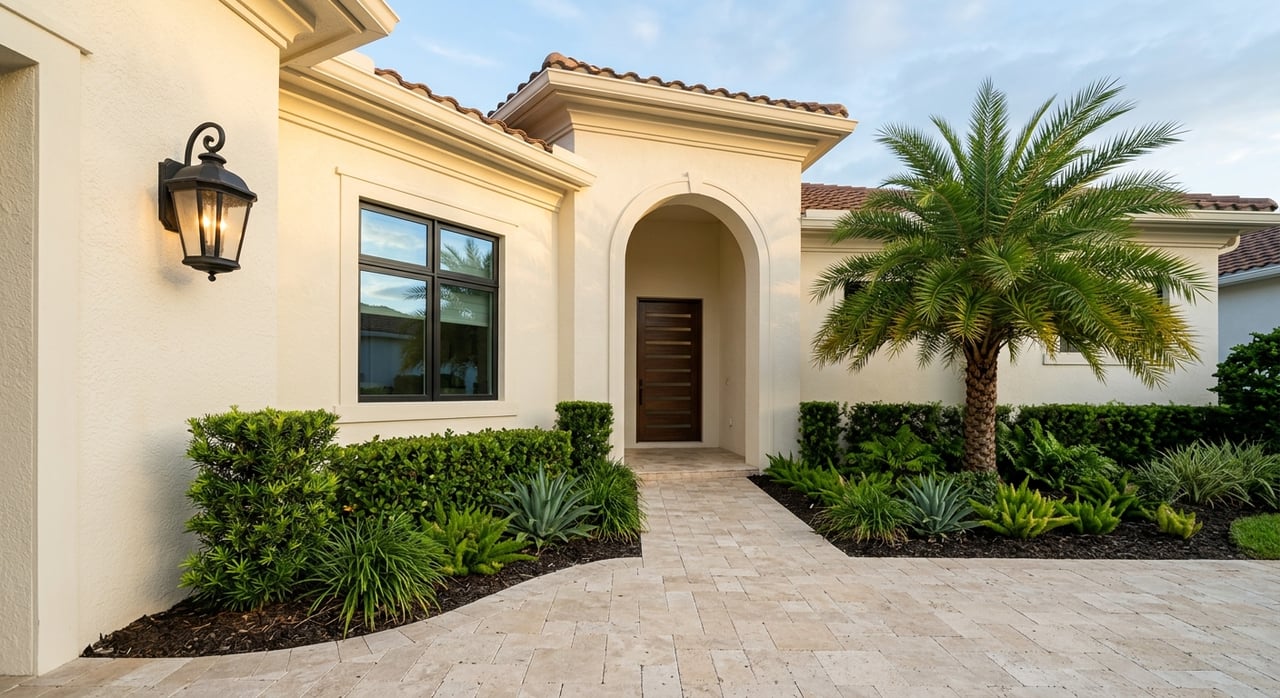
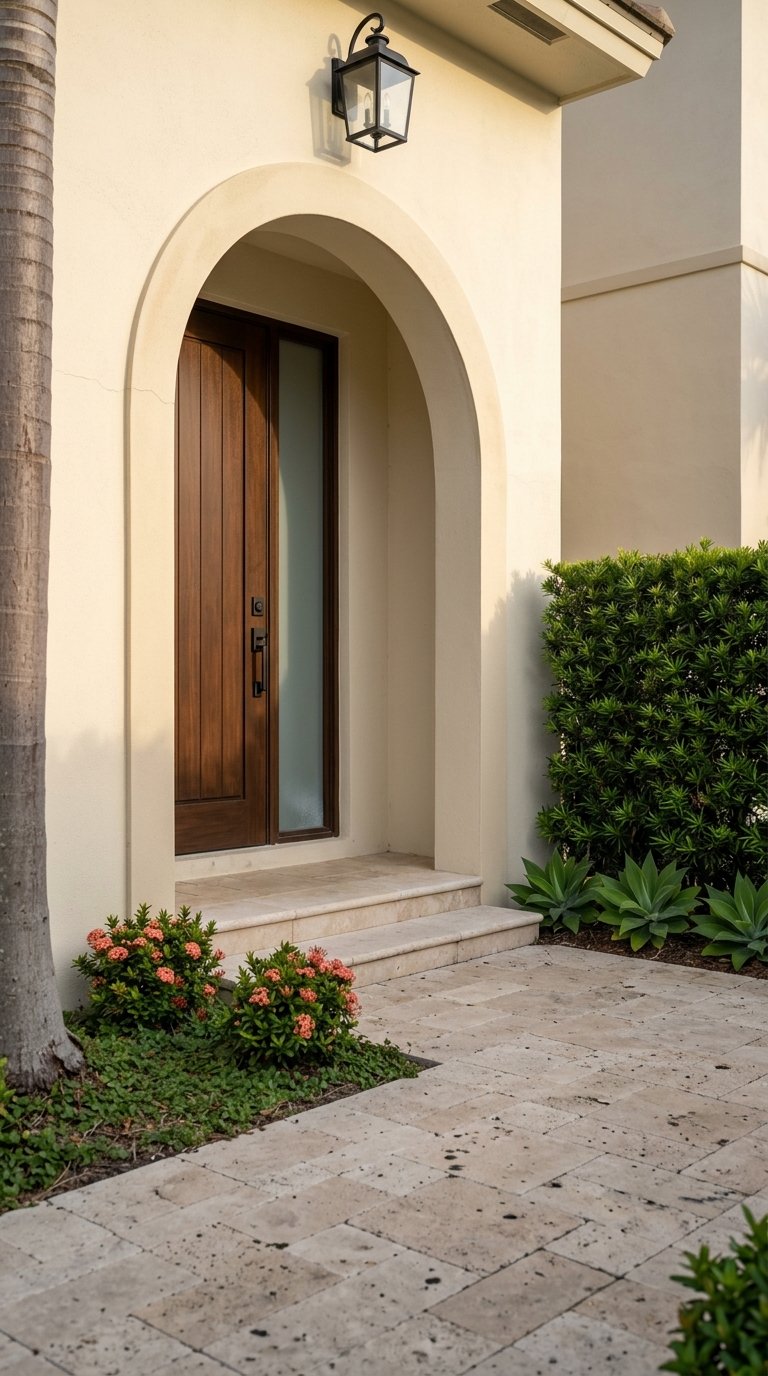
- Refresh curb appeal with Florida‑friendly, salt‑tolerant plants and tidy mulch beds. UF/IFAS has a helpful guide to coastal landscape choices.
2–3 weeks out: Deep clean and media
- Deep clean, declutter, and remove extra furniture to create open sightlines. Pack personal photos and collections to help buyers focus on the home.
- Schedule professional photography, floor plans, and a 3D tour. Plan photos after staging is complete so your media matches your launch‑ready look.
- Finalize showing instructions and open‑house plans with your agent. Align times with seasonal visitor patterns for better turnout.
Final week: Paperwork and launch
- Organize disclosures and documents: roof and A/C receipts, pool service records, dock or lift details, HOA docs, wind mitigation report, 4‑point report, and any elevation certificate.
- Review listing remarks. Highlight recent big‑ticket updates and insurance‑friendly features like impact windows or a newer roof.
- Go live early in the week and stay flexible on showings to accommodate out‑of‑town buyers.
Roof, insurance, and flood steps that pay off
Wind mitigation and 4‑point reports
Wind mitigation inspections document features like roof covering, secondary water resistance, and opening protection. Many buyers care about insurance costs, and a valid report can help them secure discounts on the wind portion of a policy. The state’s regulator outlines consumer benefits in their wind mitigation overview.
A 4‑point inspection is commonly requested for older homes or when switching carriers. Completing it early reduces surprises during underwriting and can shorten the path to closing.
Roof age and replacement timing
Insurers in Florida cannot deny or nonrenew solely due to roof age if the roof is under 15 years. For roofs 15 years or older, you can request an inspection to show at least five years of remaining useful life. Review these provisions at the Florida CFO’s roof guidance. If your roof is in the insurer‑sensitive range, schedule an inspection and get quotes well ahead of your target season. If replacement is needed, pull permits early through the City’s Permit Document Center.
Flood zones and elevation documents
If your home is in a Special Flood Hazard Area, buyers and lenders will likely ask for an elevation certificate and details about any substantial improvements. Cape Coral’s floodplain page explains documents and rules, including substantial improvement thresholds. See the City’s Flood Protection resources. Also note that NFIP flood insurance generally has a 30‑day waiting period before coverage takes effect, which matters for buyers on a timeline.
Grants to harden your home
The My Safe Florida Home program offers free mitigation inspections and, for eligible owners, matching grants for improvements like impact windows and roof‑to‑wall connections. These upgrades can cut insurance costs and boost marketability. Check eligibility and timing at the My Safe Florida Home page.
Stage for the Southwest Florida lifestyle
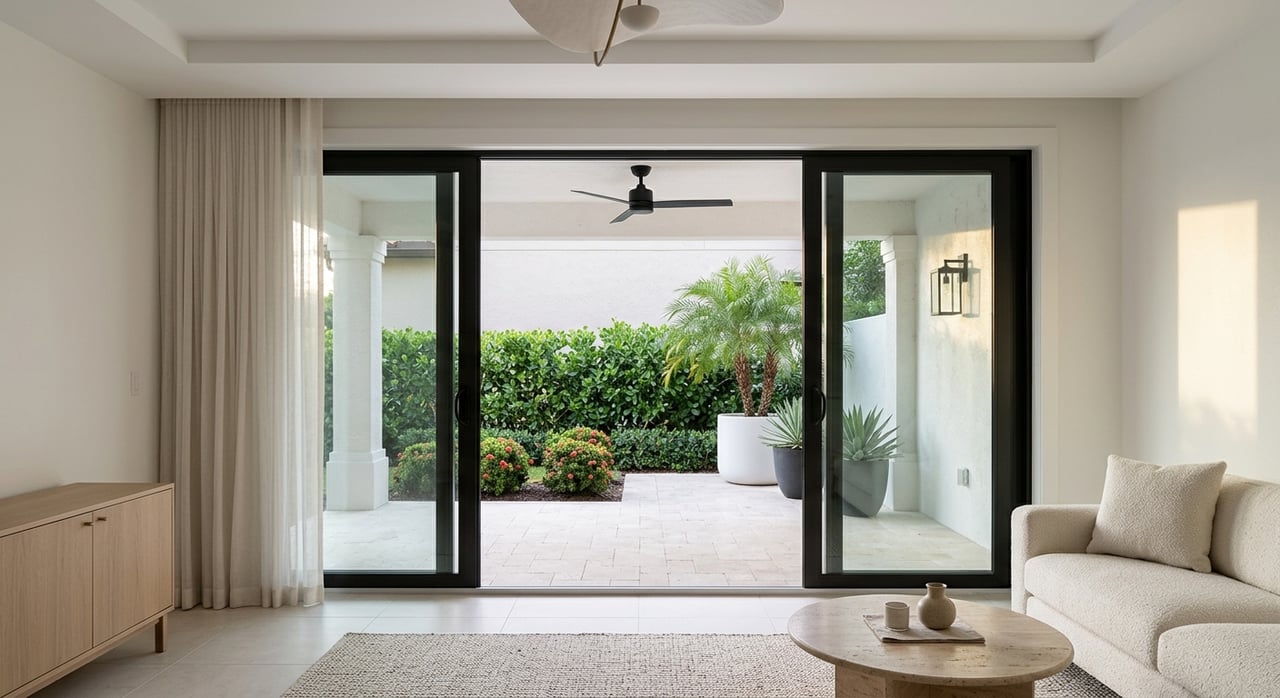
Show the lifestyle that draws buyers here. Treat the lanai, covered patio, and pool area as true outdoor rooms with clean seating, simple decor, and working lighting. Keep the pool sparkling and have service records ready for buyers.
Comfort matters in Florida. Make sure your A/C performs well during showings. Replace filters, clear supply vents, and consider a maintenance check so the home feels cool and dry. Smart thermostats and recent system replacements are worth noting in your remarks.
Use a light, neutral palette and minimize heavy window treatments to maximize natural light. According to the NAR Home Staging Report, staging helps buyers visualize and can speed up sales. Outdoors, choose Florida‑friendly, low‑maintenance plants supported by UF/IFAS guidance on coastal landscaping.
Price and position for peak‑season buyers
Start with a fresh CMA tailored to your micro‑market. Waterfront lots, newer builds, and gated communities in Cape Coral can price very differently from inland homes of similar size. Seasonal timing can also shift buyer mix and urgency. Florida market data shows winter and spring each offer advantages, so weigh exposure versus competition when setting your date, as noted by Florida Realtors.
For January to March, many buyers are remote or visiting for a short window. Invest in professional photos, a floor plan, and a 3D tour to capture interest online. In your listing copy, highlight insurance‑friendly features with documentation ready to share. Point out things like impact protection, a valid wind mitigation report, a newer roof, recent A/C service, and any flood documentation. The state’s consumer resource on mitigation underscores why these details matter to buyers focused on affordability; see the OIR wind mitigation overview.
Hurricane season timing tips
Atlantic hurricane season runs from June 1 through November 30. If you plan major exterior work like reroofing or opening protection, schedule early to avoid contractor backlogs and weather delays. The NOAA Hurricane Research Division outlines seasonal dates here: NOAA hurricane season FAQ.
Quick pre‑listing checklist
- 6–12 months: roof and HVAC assessments; contractor bids; start permits for major work; check for an elevation certificate; map out hurricane hardening. Use the City’s Permit Document Center.
- 3–6 months: complete big repairs; order wind mitigation and 4‑point inspections; collect receipts and warranties; explore My Safe Florida Home grants.
- 6–8 weeks: staging consult; touch‑up paint and hardware; refresh landscaping with Florida‑friendly coastal plants.
- 2–3 weeks: deep clean; declutter; schedule photography, floor plans, and a 3D tour; finalize showing plan.
- 0–7 days: confirm disclosures; emphasize insurance‑helpful features in remarks; launch early‑week; allow flexible showings during peak buyer travel days.
Want Jan to Mar showings? Start now
If you want to go live in early January, start big‑ticket planning the prior spring or summer. That gives you time for roof or permit‑heavy work before winter crowds arrive. Use September to finalize staging plans, October for media, and aim to launch before New Year’s so you capture snowbird traffic returning after the holidays.
Ready to talk through your plan?
Every Cape Coral home and micro‑neighborhood is different. If you want a clear, local game plan tailored to your timeline, pricing, and upgrades, we are here to help. Reach out to Lindsay Riggenbach to book an appointment and get a personalized pre‑list checklist and market valuation.
FAQs
When is Cape Coral’s peak season for selling?
- Buyer activity is strongest from November through April, with January to March often the busiest months, according to local snowbird patterns noted by Come to Cape Coral.
Which inspections help a Cape Coral buyer say yes?
- A wind mitigation report and, for older homes, a 4‑point inspection can smooth insurance approval and show potential premium savings, per the state’s wind mitigation resource.
Do I need an elevation certificate to sell in Cape Coral?
- Not every home needs one, but buyers and lenders often request it in flood zones; the City explains documents and floodplain rules on its Flood Protection page.
How old can my roof be for Florida insurance in Cape Coral?
- Florida rules bar insurers from denying or nonrenewing solely due to roof age if the roof is under 15 years; at 15 years or older, you can submit an inspection showing at least five years of life, per the Florida CFO.
What staging moves matter most for SWFL homes?
- Stage the living room, primary bedroom, and kitchen, and treat your lanai and pool as outdoor rooms; NAR reports staging can shorten time on market and lift offers, as noted in the Home Staging Report.
When should I start if I want to list in January?
- Begin major planning six to twelve months out, finish repairs and inspections by fall, complete staging and media in late fall, then launch just before or right after the New Year to catch returning snowbirds.