Dreaming of sunny winters, palm-lined streets, and weekend boat rides? If Fort Myers is on your radar, you probably want the real story on daily life, not just postcard views. You want to know how the seasons feel, what the commute is like, where people live, and how to plan smart for storms and insurance. This guide gives you a clear, local-minded look at neighborhoods, costs, lifestyle, and practical next steps so you can decide with confidence. Let’s dive in.
Fort Myers at a glance
Fort Myers is the commercial and cultural hub of Lee County, with quick access to nearby barrier islands and inland suburbs. The local economy blends tourism, healthcare, retail, construction, and professional services. That mix supports year-round jobs and a steady stream of visitors.
The region has grown through in-migration from other states, including retirees and remote workers. You will notice a seasonal rhythm, with snowbirds arriving in winter and traffic and restaurant activity rising with them. It is a dynamic market shaped by who is here and when.
The housing market surged from 2020 to 2022, then cooled in 2023–24 with longer days on market in some segments. Inventory, interest rates, and winter seasonality still drive activity. If you want the most current price and inventory data, consult local MLS or statewide market reports before you tour.
Neighborhoods and homes
You can find a wide range of settings, from historic streets to master-planned communities. Here is how the main areas feel.
Historic River District
Downtown and nearby historic pockets offer walkable blocks, older homes and apartments, and easy access to galleries, live music, and restaurants. It suits you if you value character, shorter drives to events, and an urban-suburban mix.
Suburban corridors
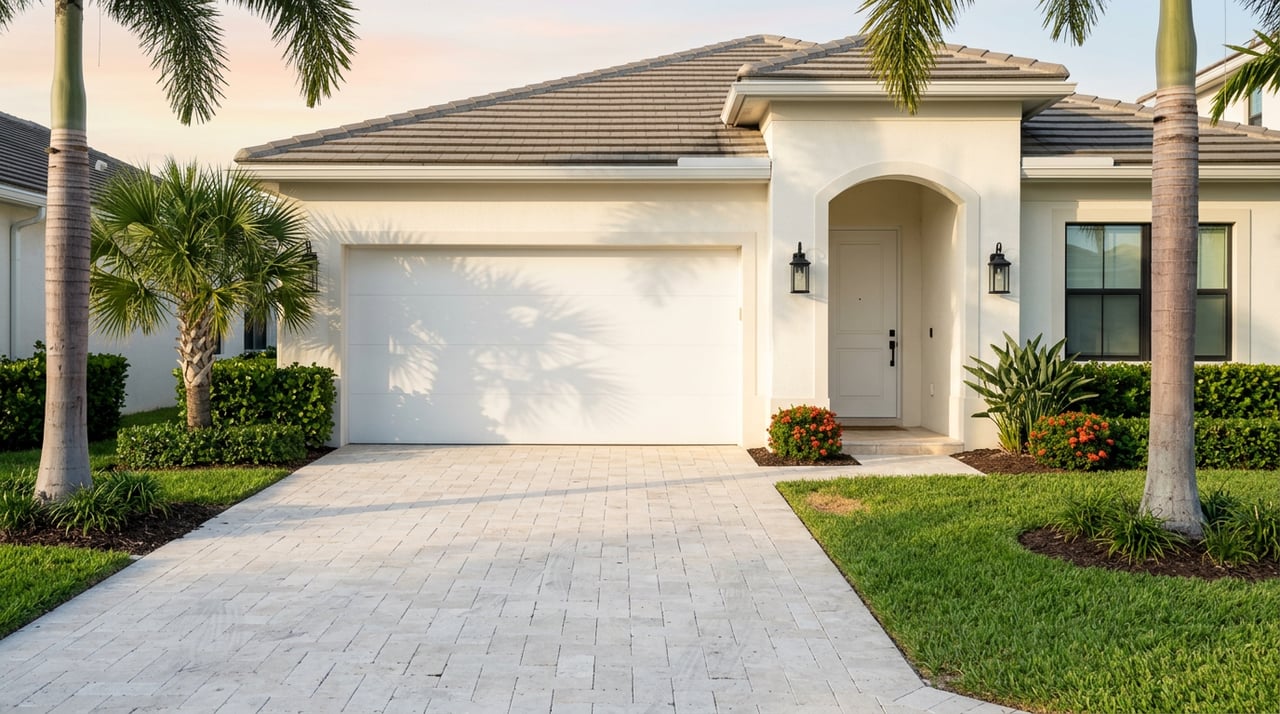
Areas along McGregor Boulevard feature mature landscaping and character homes near the river. Neighborhoods off Daniels Parkway and Colonial Boulevard offer newer subdivisions, shopping centers, and typical suburban layouts. These are more car-dependent and offer a wide range of home sizes and community amenities.
Waterfront and gated options
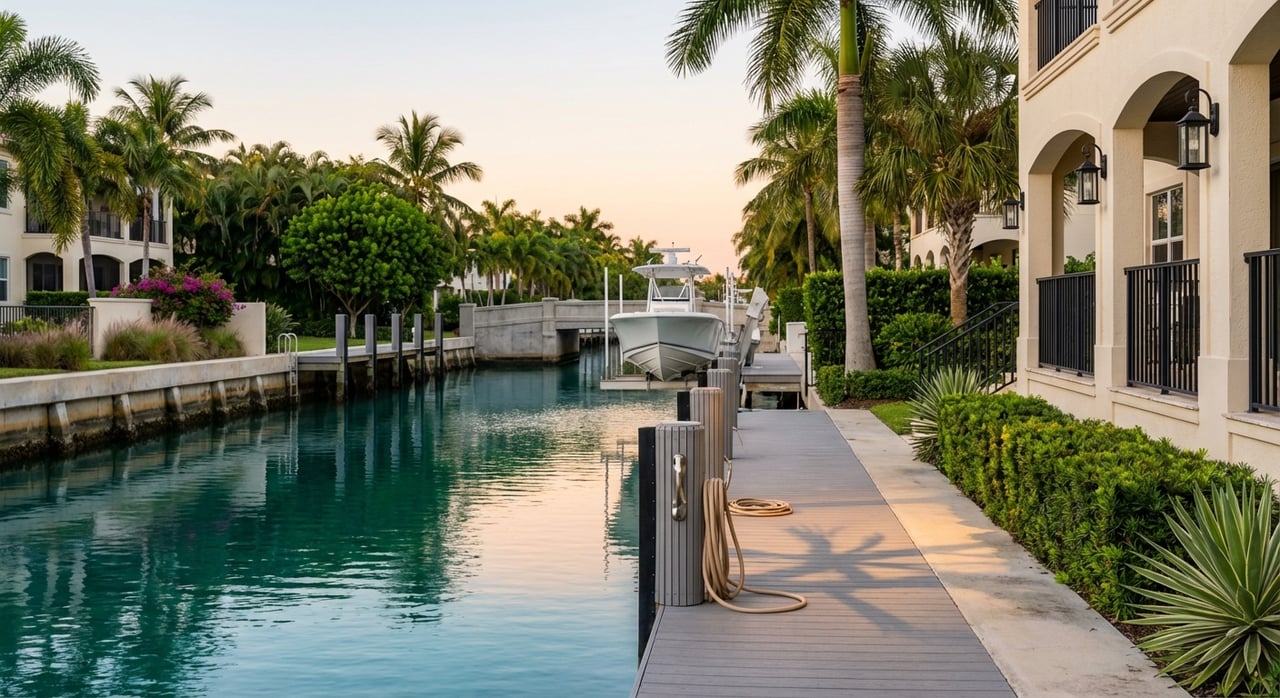
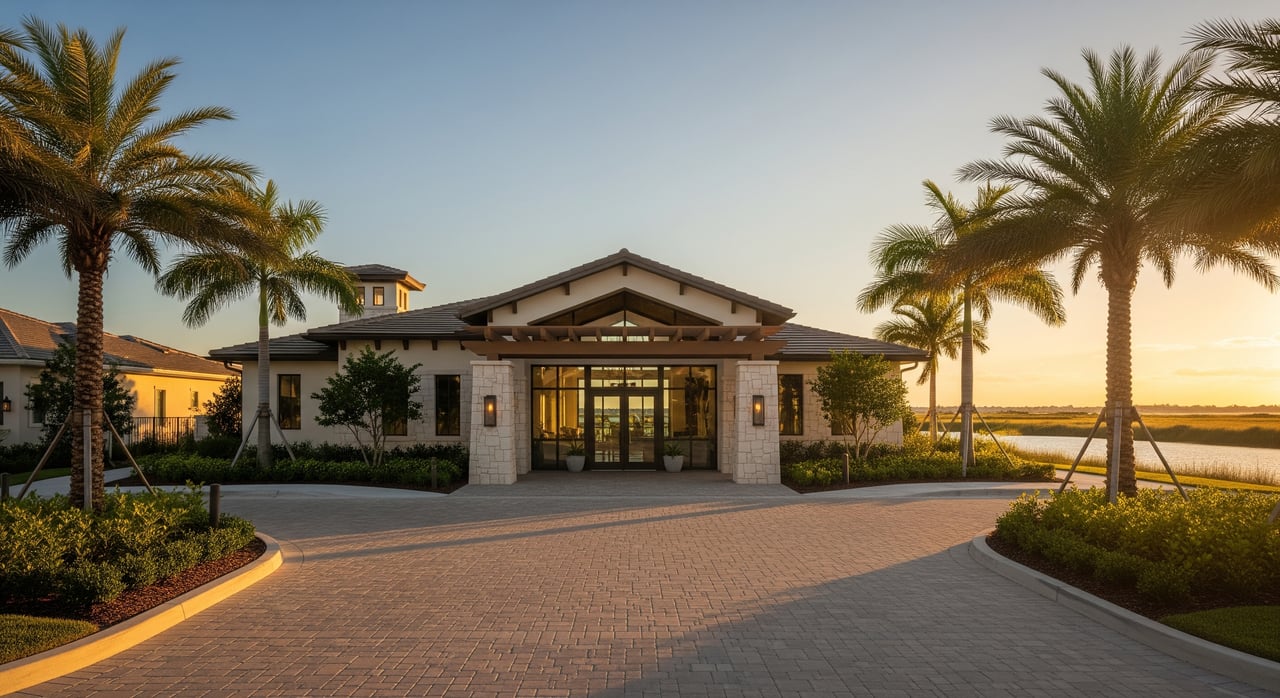
Canal-front and riverfront neighborhoods are popular with buyers who want boating and fishing access. Many gated communities offer pools, clubhouses, fitness centers, and social activities. Expect price premiums for water access, newer construction, and community amenities.
Beach and barrier-island living
Fort Myers Beach, and nearby Sanibel and Captiva, offer a beach-oriented lifestyle with condos and cottages. Life here feels highly seasonal, with more visitors in winter and strong short-term rental demand in certain buildings. If you are considering a condo, review association reserves, building standards, and rental policies.
55+ and new construction
Active-adult communities are common across Southwest Florida. Many provide low-maintenance living and social clubs. New construction and master-planned neighborhoods on the outskirts add options with community pools, trails, and newer building codes.
Buyer considerations
- Inventory and timing: Winter can be tight due to seasonal demand. Summer may bring more options, but it overlaps with hurricane season, which affects inspections and insurance.
- Condo vs single-family: Review association reserves, special assessments, and rental rules. For coastal condos, consider storm-hardening features and building updates.
- Price drivers: Waterfront access, proximity to beaches, newer construction, and amenities often carry premiums.
- Insurance and inspection: Windstorm and flood exposure affect premiums and loan approval. Ask about roof age, wind mitigation features, and elevation certificates early.
Cost of living basics
Florida has no state income tax, which helps many buyers’ overall budgets. Property taxes vary by location, and exemptions may apply if you make a home your primary residence. Insurance for wind and flood is an important line item here, especially near water.
Electric bills can be higher than you might expect in a cooler climate due to year-round air conditioning. Ask for average utility costs on any home you like so you can budget accurately.
Schools and education options
Fort Myers is served by the Lee County School District, which offers traditional public schools, magnet programs, specialty options, and charter schools. School performance and programs vary by attendance area. Review the Lee County School District site and Florida Department of Education report cards to compare current data.
If you are exploring private education, you will find parochial and independent schools across grade levels. For higher education and continuing studies, Florida Gulf Coast University serves the region and supports local cultural events and workforce training.
Getting around and commute
Fort Myers is primarily car-oriented. Major routes include US-41, I-75 to the east of the city core, and SR-82. Commute times vary by where you live compared with work or school, and traffic increases during winter season and peak tourist periods.
LeeTran provides countywide bus service along major corridors, though most residents still rely on cars. Southwest Florida International Airport sits in Lee County and offers convenient access for frequent travelers and seasonal visitors.
Walkability is strongest in parts of downtown. Many suburbs are not designed for daily walking. Biking is possible in some areas, but summer heat and storms can limit mid-day rides.
How long does it take to reach key spots? Depending on where you live, many neighborhoods are about 10 to 30 minutes from beaches, the airport, or major shopping areas, with timing affected by traffic and time of year.
Healthcare and services
Lee Health is the dominant provider, with hospitals, urgent care centers, specialty clinics, and outpatient facilities across the county. If proximity to care is important for you, include hospital access in your neighborhood search. You will also find national and local grocery options and specialty markets along larger commercial corridors.
Culture, dining, and fun
The River District is the cultural heart, with galleries, live music, farmers markets, and festivals throughout the year. The Edison and Ford Winter Estates are a signature historic attraction that also hosts community events. You will find a wide spectrum of dining, from casual waterfront seafood to craft breweries and urban eateries downtown.
The region embraces the water. Boating and fishing are part of daily conversation, and seasonal events and sports bring an extra buzz to town.
Weather and seasons
Fort Myers has a subtropical climate. Winters are mild and drier, which draws seasonal residents and visitors. Summer brings heat, humidity, and near-daily afternoon thunderstorms. Many locals schedule outdoor time in the morning and later afternoon during the warmest months.
High season runs roughly November through April. Expect busier roads, livelier restaurants, and more competition for rentals and homes. Summer is quieter, with the tradeoff of heat and the start of hurricane season.
Storm and insurance know-how
Fort Myers is in a hurricane-prone region. Smart planning and good information go a long way.
- Flood risk: Review FEMA flood maps for any property you are considering. Lenders often require flood insurance in designated zones.
- Building codes: Newer construction typically follows stricter coastal standards for wind resistance. Ask about roof age, window and door ratings, and any storm-hardening updates.
- Evacuation planning: Learn your evacuation zone, routes, and local emergency resources before hurricane season.
- Insurance budgeting: Homeowners insurance often includes separate wind or hurricane coverage, and flood insurance may be a separate policy. Premiums vary by home age, construction type, elevation, and claims history. Get quotes early in your search.
A quick checklist: verify wind mitigation features, confirm roof permits and age, request an elevation certificate in flood zones, ask condos about reserves and special assessments, and review HOA hurricane-prep policies.
Outdoor lifestyle and nature
Beaches and islands are a core part of life. Fort Myers Beach, Sanibel, and Captiva offer shelling, sunrise walks, and easy-going restaurants. The Caloosahatchee River and local canals support boating, kayaking, and both inshore and offshore fishing.
City and county parks, preserves, and trails give you space for hiking, birding, and biking. Many neighborhoods and clubs maintain golf courses, tennis, and pickleball courts, so it is easy to stay active year-round.
Smart relocation tips
- Visit in different seasons. Experience both winter and summer to see how traffic, weather, and daily life change.
- Line up your numbers early. Ask for utility averages, get insurance quotes, and confirm tax estimates with the local property appraiser.
- Check maps and rules. Review FEMA flood maps, Lee County evacuation zones, and any local short-term rental rules if you plan to rent.
- Narrow neighborhoods by lifestyle. Decide if you prefer walkable, suburban, waterfront, or low-maintenance living before you tour homes.
- Time your search. Winter has more visitors and tighter inventory, while summer can offer more options, with the tradeoff of heat and storms.
Is Fort Myers right for you?
If you love mild winters, time on the water, and a community that blends year-round residents with seasonal energy, Fort Myers can be a great fit. With the right prep on neighborhoods, insurance, and commute routes, you can enjoy the benefits while managing the practical details. When you are ready to explore homes, local insight makes all the difference.
Have questions or want a neighborhood game plan tailored to you? Reach out to Lindsay Riggenbach to start a friendly, no-pressure conversation and book an appointment.
FAQs
Cost of living in Fort Myers
- Florida has no state income tax, property taxes vary by area, and homeowners should budget for wind and flood insurance plus year-round AC costs.
School options in Fort Myers
- The Lee County School District offers traditional, magnet, specialty, and charter options; review Florida Department of Education report cards for current performance data.
Commute and transportation in Fort Myers
- The area is car-oriented, with US-41, I-75, and SR-82 as main corridors; traffic increases in winter, and LeeTran bus service operates along major routes.
Hurricane and flood risk in Fort Myers
- Hurricane season runs June through fall, flood zones may require insurance, and newer construction often follows stricter wind standards; plan evacuation routes and budget for coverage.
Neighborhood types and lifestyle fit
- Choose from walkable historic areas, suburban corridors, waterfront and gated communities, beach condos, and 55+ options, each with different amenities and maintenance levels.
Buying a condo near the beach
- Review association reserves, building updates, storm-hardening features, rental rules, and potential special assessments before you buy.
Jobs and the local economy
- Beyond tourism, the economy includes healthcare, construction, retail, education, and professional services, with opportunities shaped by seasonal patterns.
Proximity to beaches and airport
- Many neighborhoods are about 10 to 30 minutes from beaches, major shopping, or the airport, depending on location, traffic, and time of year.